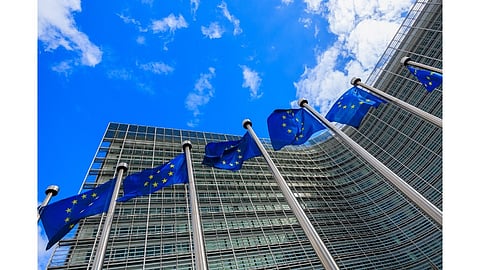


SolarPower Europe estimates solar power helped the EU avoid €20 billion in gas imports between March 1 and July 15
It follows the European Commission’s Electrification Plan that proposes a 46% electrification target for 2040, aiming to boost clean electricity use
The EU also proposed ETS reforms and a €100 billion Industrial Decarbonisation Bank to finance industrial decarbonization and electrification
Solar power helped the European Union (EU) avoid around €20 billion in gas imports between March 1 and July 15, 2026, since the start of the West Asia conflict, according to an analysis by SolarPower Europe.
The industry association said solar installations across the EU saved an average of €146 million per day over the 137-day period by reducing the need for imported natural gas amid geopolitical uncertainty. It added that solar became the EU's largest single source of electricity in June, supplying 25% of the bloc's power.
"Every megawatt-hour generated by solar power reduces our dependence on imported fossil fuels and makes Europe safer," said Walburga Hemetsberger, CEO of SolarPower Europe.
The findings come as the European Commission unveiled its Electrification Action Plan, aimed at making Europe the world's first ‘electro-powered continent’ by accelerating the shift from fossil fuels to clean electricity.
The Commission said around 70% of the EU's electricity already comes from domestic clean energy sources, but electrification of final energy demand has remained stuck at 23% over the past decade. It will assess an indicative electrification target of 46% by 2040 as part of the post-2030 Energy Union package.
According to the Commission, achieving this target could reduce the EU's annual fossil fuel import bill by €260 billion by 2040 while cutting gas imports by more than 70% and crude oil imports by 40%.
To support the transition, the Action Plan proposes measures to narrow the cost gap between electricity and fossil fuels by lowering network charges and taxes, expanding smart meter deployment, accelerating grid development, and promoting the uptake of technologies such as electric vehicles (EVs), heat pumps, and batteries.
Alongside the Electrification Action Plan, the Commission proposed reforms to the EU ETS, including the creation of a €100 billion Industrial Decarbonisation Bank to support industrial decarbonization, while requiring member states to direct half of their EU Emissions Trading System (ETS) revenues toward decarbonization investments.
It also seeks to mobilize financing through instruments including the Industrial Decarbonisation Bank and the ETS.
SolarPower Europe said deeper electrification, increased renewable energy deployment, and greater use of non-fossil flexibility solutions, such as battery storage, would further reduce Europe's exposure to fossil fuel price shocks and strengthen long-term energy security.
