
Key takeaways:
Sungrow Hydrogen’s Daye project has been named a finalist for The smarter E AWARD 2026 in the Outstanding Projects category
The facility combines a 300 MW solar park with ALK and PEM electrolyzers to produce approximately 1,500 tons of green hydrogen annually
A former copper mine was repurposed for solar generation and underground hydrogen storage, supporting hydrogen-powered transportation applications
Among the alternatives to hydrocarbon-based fuels, green hydrogen plays an important role in reducing the carbon footprint at both the production and end-use stages.
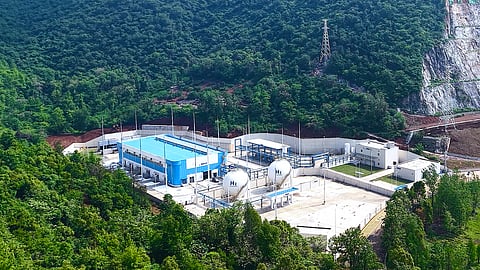
Sungrow Hydrogen has been named a finalist for The smarter E AWARD 2026 in the Outstanding Projects category for its Daye Hydrogen Energy Mining Project in China. The project transforms a decommissioned copper mine into a renewable energy and hydrogen production hub, combining solar generation, hydrogen production, and underground hydrogen storage infrastructure.
This project is part of a broader effort to repurpose former industrial assets for clean energy applications. The facility has been installed in Daye, a city in Hubei province with a long history of coal, iron, and copper mining. The site integrates a 300 MW solar park with a hydrogen production system consisting of 5,000 Nm³/h alkaline (ALK) electrolyzers and 400 Nm³/h proton exchange membrane (PEM) electrolyzers.
The abandoned mining site offered an opportunity to integrate multiple components of the hydrogen value chain at a single location. The mine slopes were used to install solar PV, while underground rock caverns previously used for mining activities were repurposed for hydrogen storage. This approach utilizes existing industrial land and infrastructure to serve as a renewable energy resource. According to Sungrow Hydrogen, this represents China’s first large-scale exploration of hydrogen storage in rock caverns.
The 300 MW solar installation is expected to generate around 400 GWh of electricity annually, which is converted into approximately 1,500 tons of green hydrogen. Since April 2025, the facility has been supplying hydrogen for transportation applications, including buses and other hydrogen-powered vehicles.
This project highlights a trend in the energy sector of the redevelopment of former mining sites for renewable energy production and storage.

