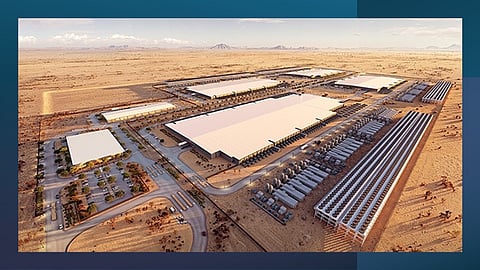


Oracle is seeking proposals for 2 GW of new renewable energy capacity in New Mexico
The RFP covers multiple technologies, with project delivery expected between 2027 and 2031
Oracle said the procurement is tied to Project Jupiter's target of matching its energy use with carbon-free energy by 2031
Global technology giant Oracle has issued a request for proposals (RFP) for 2 GW of new renewable energy projects in New Mexico. The new renewable capacity is linked to Project Jupiter, Oracle's data center project in New Mexico.
The RFP is open to energy developers with projects located in New Mexico. It covers solar, wind, geothermal, and other renewable energy technologies. The company seeks these facilities to come online between 2027 and 2031.
Oracle says it will prioritize projects that can deliver power on an accelerated timeline. Proposals will be assessed based on capacity and growth potential, expected delivery schedule, project maturity, technical viability, and alignment with the company’s longer-term energy commitments.
The company said selected projects will support Project Jupiter's commitment to achieve 100% carbon-free energy matching by 2031.
“This RFP is focused on identifying projects that can deliver brand new renewable energy generation in New Mexico,” said Mahesh Thiagarajan, Executive Vice President of Oracle Cloud Infrastructure.
It expects Project Jupiter to generate billions of dollars in long-term economic impact for Doña Ana County and New Mexico. The data center is currently under construction.
Oracle issued the call for proposals on September 8, 2026. Details are available on its website.
While no national mandate in the US requires data centers to use renewable energy, major technology companies are increasingly securing new solar, wind, and energy storage capacity to meet the growing electricity demand from their data centers (see Google Plans Michigan Data Center With 2.7 GW Clean Power).
At the state level, Massachusetts recently directed state agencies to require data centers to bring their own clean energy supply.
