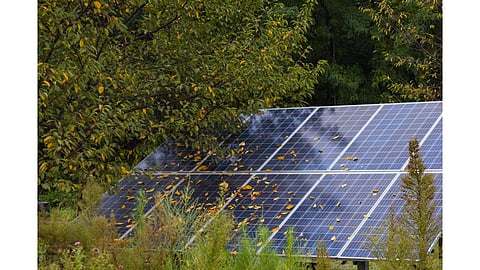


Alberta’s solar recycling program imposes a $14 environmental fee on eligible panels
CanREA says the charge is much higher than the estimated future cost of recycling a panel
The association is also questioning the fee’s timing and its impact on renewable energy costs
Starting October 1, 2026, Canada’s Alberta will launch a new solar panel recycling program aimed at keeping end-of-life panels out of landfills. However, the 'inflated' recycling fee under the program has drawn criticism from the renewable energy industry.
The Canadian province plans to collect solar panels for recycling to recover valuable components such as glass, aluminum, silicon, silver, copper and other metals to be reused in new products while supporting local collection and processing capacity.
It will come at a cost since it plans to impose a CAD 14 environmental fee to each new solar panel supplied, starting next month. For a typical 20-panel residential system for instance, the fee would total CAD 280.
This money will cover future recycling costs to collect, transport and recycle solar panels when they reach the end of their lives. It prevents municipalities and taxpayers from paying the bill decades from now.
The government specifies that the fee will be imposed on new panels when the program begins, and won’t be imposed retroactively on panels already installed.
Alberta’s Minister of Affordability & Utilities RJ Sigurdson stressed that this will protect taxpayers from future cleanup costs and keep power affordable and sustainable for generations to come.
Administered by the Alberta Recycling Management Authority, the CAD 14 fee will apply to solar panels measuring at least 1 square meter and will cover both crystalline silicon and thin-film technologies used in residential, commercial, industrial and utility-scale projects.
The program follows a solar panel recycling pilot conducted between 2022 and 2025. Alberta said the pilot was designed to examine future solar waste streams and work with industry, recyclers and communities on end-of-life management.
Under the rollout, suppliers are required to report and remit the environmental fee from next month. The program will also begin collecting end-of-life panels from October 1, 2026. Alberta plans to engage stakeholders on panel reuse from 2027 and explore investment to expand local recycling capacity.
However, the government’s CAD 14 environmental fee is too high, according to the Canadian Renewable Energy Association (CanREA) that questions both the size and timing of the fee.
In a July 17, 2026 opinion piece, CanREA Director of Policy for Alberta Radha Rajagopalan noted that recycling a television in Alberta costs CAD 2.75, compared with CAD 14 for a solar panel. She argued that the difference is difficult to justify, particularly because most solar panels installed in recent years are not expected to reach end of life for decades.
The government expects more than 95% of solar panels currently installed in Alberta to reach the end of their lives by 2045, generating 72,700 tons of material.
CanREA said independent research commissioned by the association estimates the present-value cost of recycling a solar module at about CAD 5, after accounting for cost increases over 20 years and potential panel reuse. It therefore considers the CAD 14 charge significantly higher than the estimated cost of recycling.
The association has also raised concerns about the treatment of renewable energy compared with other forms of power generation. CanREA said solar and wind are the only electricity generation technologies required to pay a recycling surcharge in Alberta. This will be on top of existing reclamation security requirements for utility-scale solar and wind projects, which include recycling and disposal costs.
The association calls for greater focus on panel reuse, certification standards and collection infrastructure before imposing what it considers an inflated fee.
“Imposing an inflated, single-industry fee now, decades before most panels need recycling and at nearly three times the estimated cost, is so far off the mark that it will ultimately take away consumer choice and drive up electricity costs,” stated Rajagopalan.
