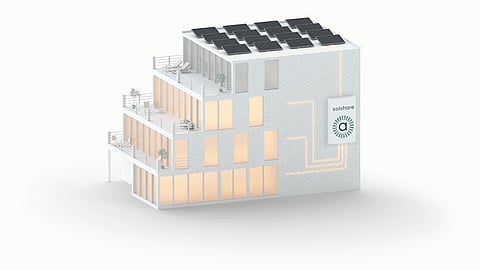

Allume’s SolShare allows multiple apartment residents to share electricity from one rooftop PV system
Its algorithm allocates solar power among participating flats based on demand and availability
SolShare 2 adds battery sharing, with the company forecasting up to 80% lower grid consumption
Solar energy sharing among apartment residents could be an innovative idea, but a difficult one to implement. Unlike independent residences, apartment buildings often lack enough space for each resident to install solar, which can create tensions between residents/owners.
Allume, an Australia-based energy solutions company, offers SolShare, a solution that distributes electricity equally over one month to all apartment residents who opt in for solar power. Every metered flat can be connected to SolShare, which can also supply electricity as needed, not always equally among residents. It can also monitor how much solar and grid power is consumed.
SolShare is a smart hardware device that can be connected to any installed PV system. The device’s algorithm monitors and decides which resident receives energy and when. This sharing also underlines maximum solar consumption within the apartment building. To date, over 11,000 apartments worldwide have installed SolShare, claims Allume.
The company recently launched a new product, SolShare 2, which now also includes energy sharing from batteries. The inclusion of batteries is mainly to offset grid energy consumption during times of low solar generation. The company forecasts that about 80% of grid consumption can be offset with SolShare 2. Additionally, SolShare 2 enables residents to sell excess energy back to the grid during peak hours.
Cameron Knox, CEO & Co-founder of Allume, says, “With energy bills where they are right now, the gap between apartment residents and homeowners isn't just about fairness – it's about whether people can afford to heat their homes this winter. SolShare 2 takes that further, letting apartment buildings participate in the energy market in ways they never could before.”

